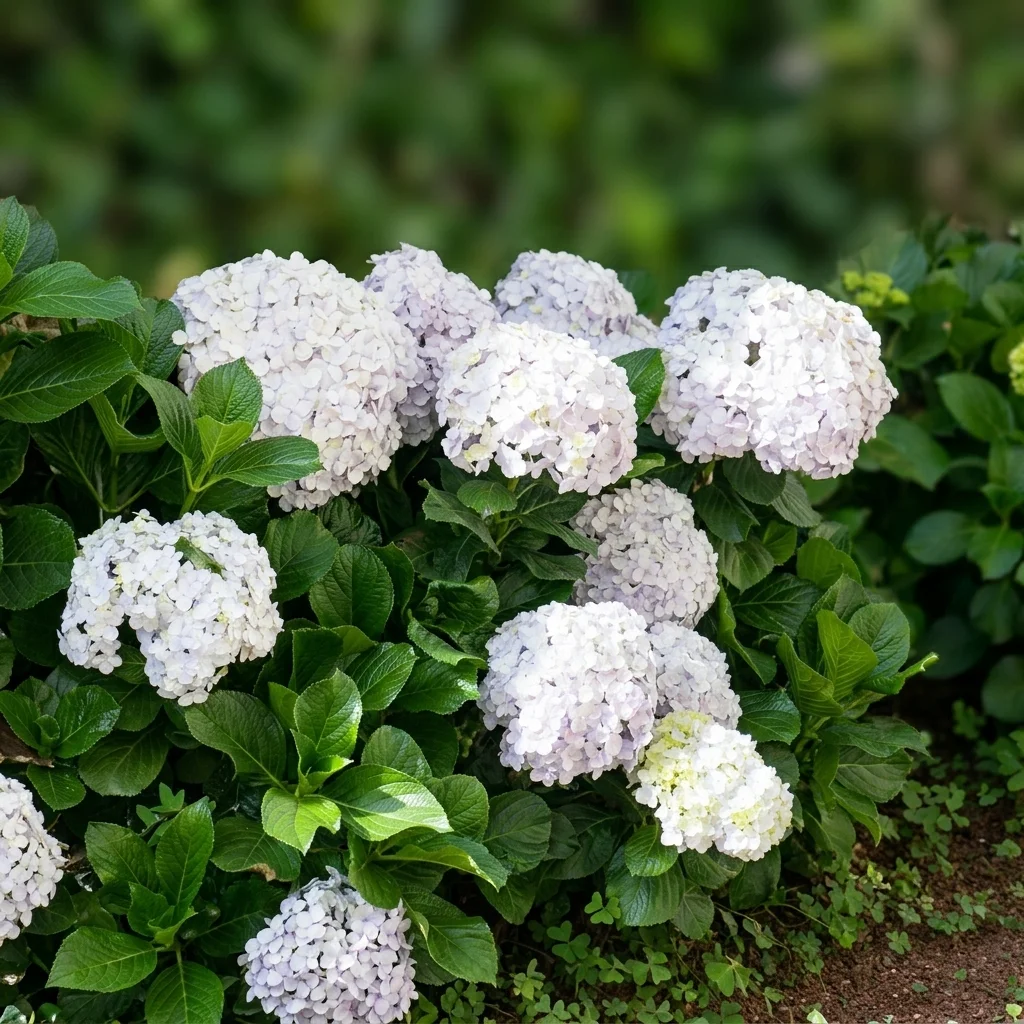
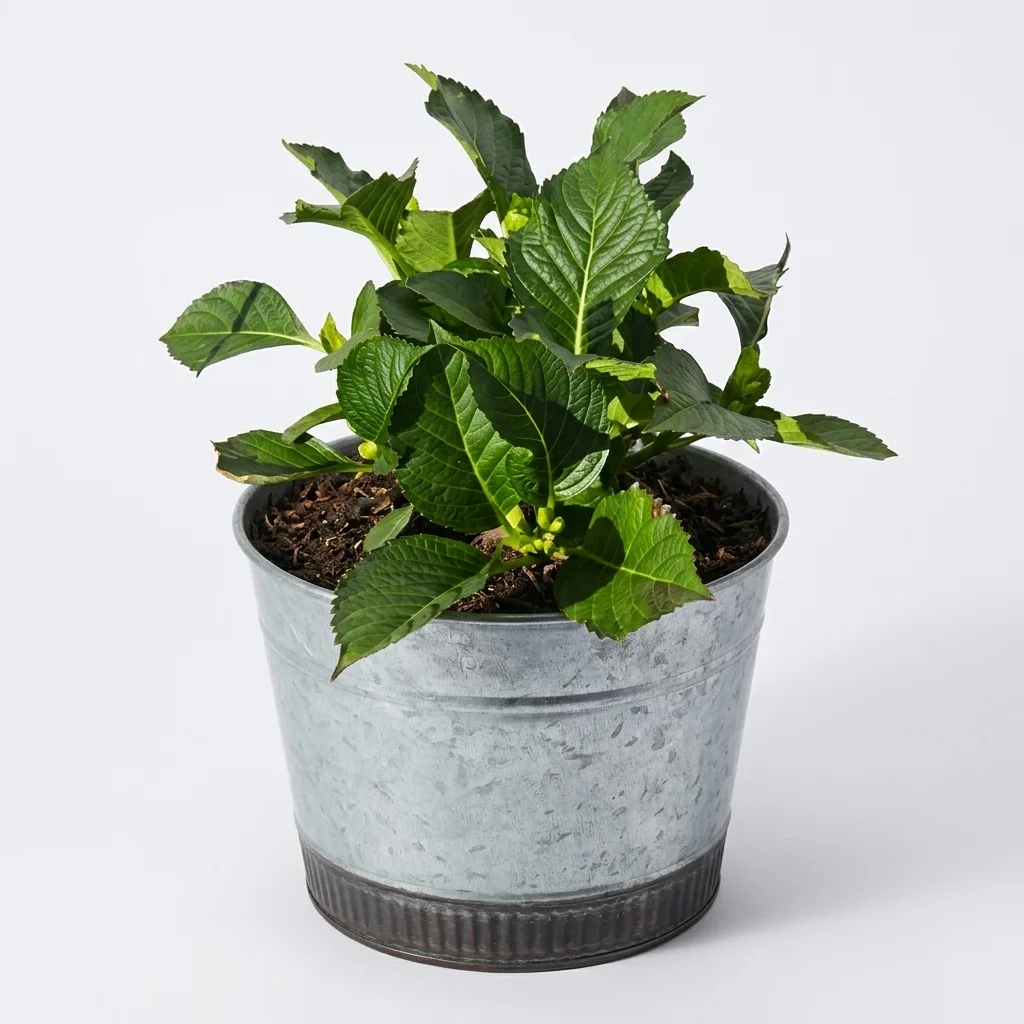
Hydrangea
Choose Your Plastic Nursery Pot Size
Prices vary by sizeBuying Several Plants?
Get special pricing for larger quantities.
🌿 About This Plant
Plant Information
- Common Name Hydrangea
- Scientific Name Hydrangea
- Category shrub, perennial
- Mature Size grows about 1–2.5 m tall and wide
- Growth Rate Moderate
🌱 How to Care for This Plant
Simple and practical care information from Chaka Plants.
Morning sun with afternoon shade is ideal
Water about 2–4 times per week
Moderate
Prefers moderate humidity
Basic Care
The most important daily care requirements for healthy growth.
☀️ Light Requirement
Morning sun with afternoon shade is ideal
💧 Watering Frequency
Water about 2–4 times per week
🚿 Practical Watering Instructions
Water deeply when the top 2–4 cm of soil begins to dry. Keep the soil consistently moist but never waterlogged. During hot weather, check the soil more frequently
🏡 Best Placement
Place in a garden bed, partially shaded border, courtyard, patio or large outdoor pot. Protect from strong afternoon heat and drying winds.
Soil & Nutrition
The right soil and feeding routine can help your plant grow stronger.
🪴 Soil Type
Rich, fertile, organic-matter-rich and well-drained soil
🌿 Fertilizer
Use a balanced slow-release fertilizer or a fertilizer formulated for flowering shrubs
🌍 Soil Requirements
The soil should hold moisture while allowing excess water to drain freely. Adding compost or other organic matter can improve soil structure
🍃 Feeding Instructions
Feed lightly during the active growing season. Avoid excessive nitrogen, which can encourage leafy growth at the expense of flowers
Growth & Behavior
Learn how this plant grows and what to expect as it matures.
⚡ Growth Rate
Moderate
📏 Mature Size
grows about 1–2.5 m tall and wide
🌿 Plant Behavior
Grows as a bushy flowering shrub and produces large clusters of flowers during its flowering season. Regular pruning should be based on the specific Hydrangea type because some varieties flower on old wood while others flower on new growth.
Environment & Climate
The environmental conditions where this plant can grow best.
🌍 Agro Ecology
Best suited to mild climates with good moisture and protection from extreme heat. In warmer areas, afternoon shade is especially important.
💦 Humidity
Prefers moderate humidity
Maintenance
Simple maintenance practices to keep your plant healthy and attractive.
✂️ Pruning
Remove faded flower heads and damaged branches. Pruning timing depends on the variety, so avoid heavy pruning until you know whether the plant flowers on old or new growth.
🧹 General Maintenance
Remove damaged leaves and fallen debris, keep the soil mulched and monitor regularly for pests and fungal problems
🪴 Repotting
Repot container-grown Hydrangeas when roots become crowded. Choose a container with good drainage and move to a pot only slightly larger than the current one
Propagation
Ways this plant can be propagated or multiplied.
Can be propagated from stem cuttings
Best Suitable For
This plant is especially suitable for the following places and uses.
Problems & Treatment
Common problems and practical ways to protect the plant.
💊 Recommended Treatment
Wilting leaves are often caused by dry soil, especially during hot weather. Yellow leaves can result from overwatering or poor drainage. Brown leaf edges may occur from heat stress, dry conditions or excessive sunlight. Check regularly for aphids, scale, spider mites and fungal leaf problems
✅ What You Should Do
- Give morning sun and afternoon shade
- Keep the soil consistently moist
- Use rich, well-drained soil
- Add compost or organic matter
- Remove faded flowers
- Protect from extreme afternoon heat
❌ What You Should Avoid
- Do not allow the soil to dry out completely
- Do not keep the roots in standing water
- Do not expose it to harsh afternoon sun in hot conditions
- Do not overuse fertilizer
- Do not heavily prune without knowing the variety
Our Recommendation
🌸 Keep Hydrangeas cool at the roots! Give morning sun, afternoon shade, and a layer of mulch to hold moisture.
🌿 Related Plants
Need Help Choosing the Right Plant?
Our Chaka Plants team can help you choose plants that are suitable for your home, office, garden or landscaping project.