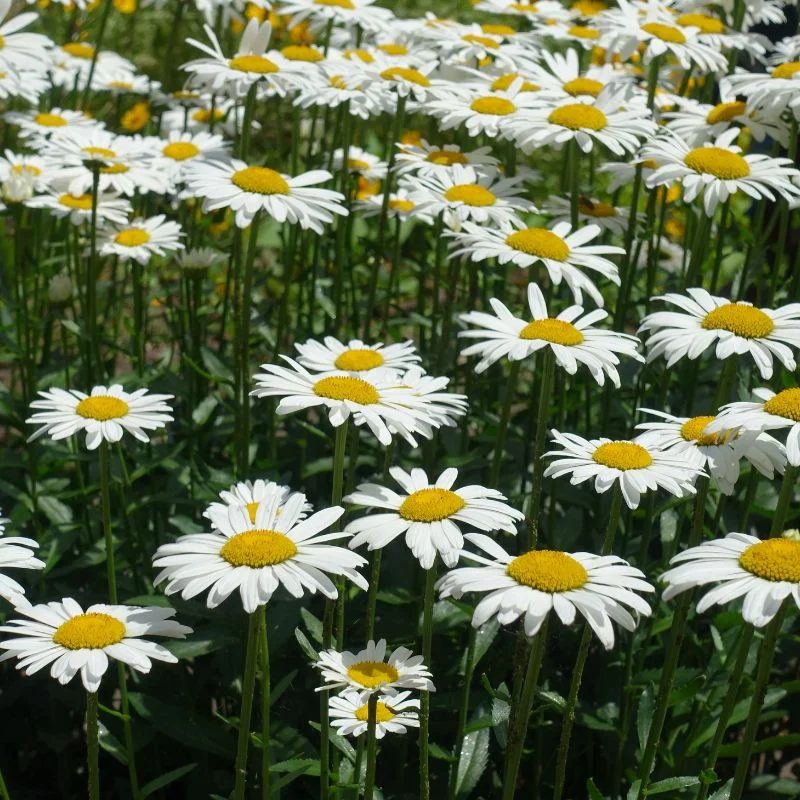
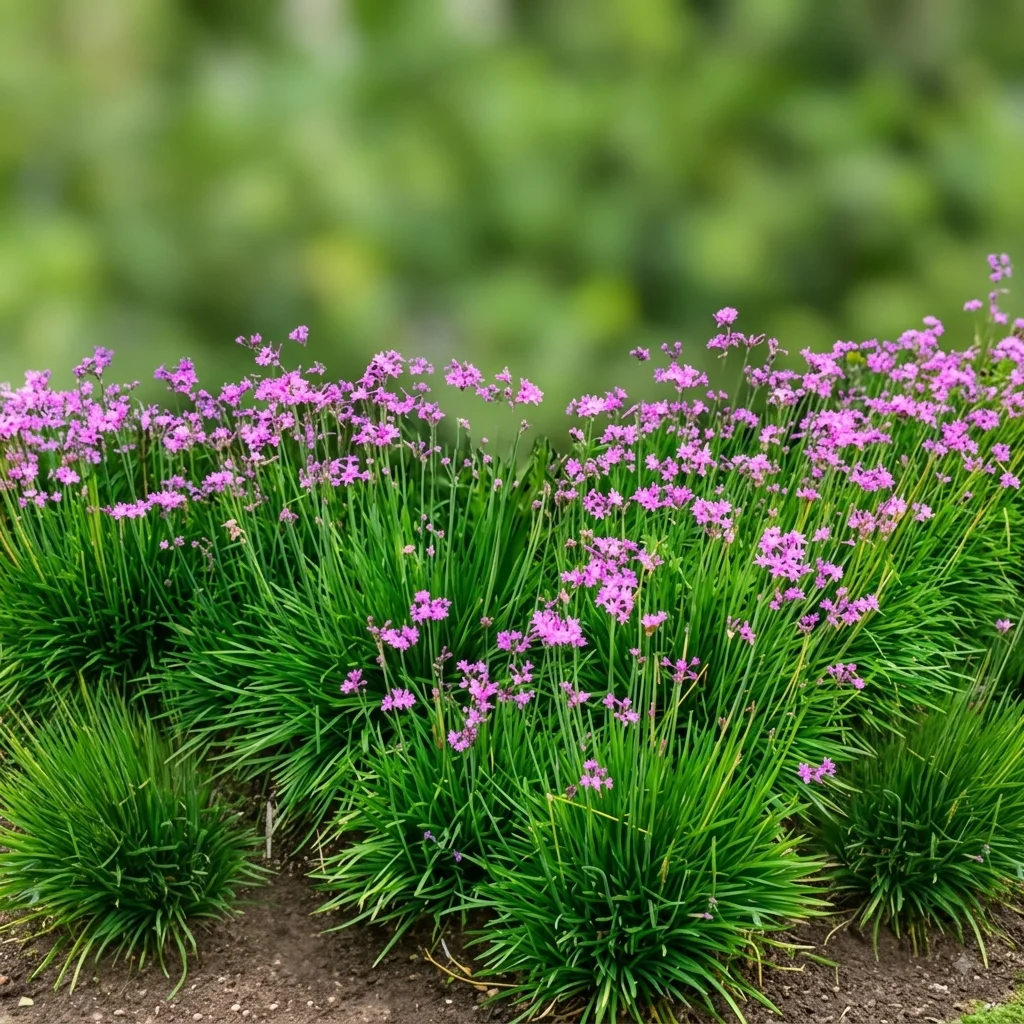
Photos show the plant's typical look. As living products, each plant may vary slightly in size and fullness, but you'll receive the same plant type shown here.
Daisy
Choose Your Nursery Pot Size
Price depends on sizeBuying Several Plants?
Ask us for a tailored quotation.
🌿 About This Plant
Plant Information
- Common Name Daisy
- Scientific Name Leucanthemum vulgare
- Category perennial
- Mature Size Usually grows about 30–90 cm tall
- Growth Rate Moderate
Every plant is naturally unique
Photos are a visual reference, not an exact snapshot. Small differences in leaf size, fullness and height are normal.
Customer Reviews
See what customers who purchased Daisy have to say.
Reviews from Chaka Plants Customers
Reviews are submitted by customers and published after review by our team. This helps keep the product page useful and trustworthy.
its amazing service
🌱 How to Care for This Plant
Practical information to help you understand the plant and care for it with confidence.
Full sun to partial sun
Water 2–3 times per week, depending on weather and soil dryness.
Moderate
Prefers moderate humidity and good air circulation
Basic Care
The most important everyday requirements for healthy growth.
☀️ Light Requirement
Full sun to partial sun
💧 Watering Frequency
Water 2–3 times per week, depending on weather and soil dryness.
🚿 Practical Watering Instructions
Water when the top layer of soil feels dry. Avoid keeping the soil constantly wet.
🏡 Best Placement
Place in a sunny garden, flower bed, border or large outdoor pot
Soil & Nutrition
The right growing medium and feeding routine support healthy growth.
🪴 Soil Type
Well-drained, fertile garden soil
🌍 Soil Requirements
The soil should drain well and should not stay waterlogged
🌿 Fertilizer
Use a balanced fertilizer or compost
🍃 Feeding Instructions
Feed lightly every 4–6 weeks during the active growing season
Growth & Behavior
Understand what to expect as the plant develops.
⚡ Growth Rate
Moderate
📏 Mature Size
Usually grows about 30–90 cm tall
🌿 Plant Behavior
Grows upright and produces attractive flowers during the flowering season. It can spread gradually and form a fuller clump over time
Environment & Climate
Conditions where this plant can perform well.
🌍 Agro Ecology
Best in mild to cool climates with good sunlight
💦 Humidity
Prefers moderate humidity and good air circulation
Maintenance
Simple practices for keeping the plant healthy and attractive.
✂️ Pruning
Remove old and faded flowers to encourage more blooms
🧹 General Maintenance
Keep the area free from weeds and remove damaged leaves
🪴 Repotting
Repot container-grown plants when the roots become crowded, preferably during the cooler growing season
Propagation
Ways this plant can be propagated or multiplied.
🌱 Methods
Can be propagated by dividing mature clumps or growing from seeds
Best Suitable For
Places and uses where this plant can be a good fit.
Problems & Treatment
Common problems and practical ways to protect the plant.
💊 Recommended Treatment
Too much water can cause root problems. Allow the soil to dry slightly between watering. Check regularly for aphids and remove affected parts if needed
✅ What You Should Do
- Give the plant plenty of sunlight
- Water when the soil starts to dry
- Remove faded flowers regularly
- Use well-drained soil
- Feed lightly during active growth
❌ What You Should Avoid
- Do not overwater
- Do not keep the plant in deep shade
- Do not allow water to stand around the roots
- Do not overuse fertilizer
Our Recommendation
For more beautiful and longer-lasting flowers, plant your Daisy in a sunny location and regularly remove faded blooms. 🌼
🌿 Related Plants
Need Help Choosing the Right Plant?
Our Chaka Plants team can help you choose plants that fit your home, office, garden or landscaping project, including advice on size, placement and care.