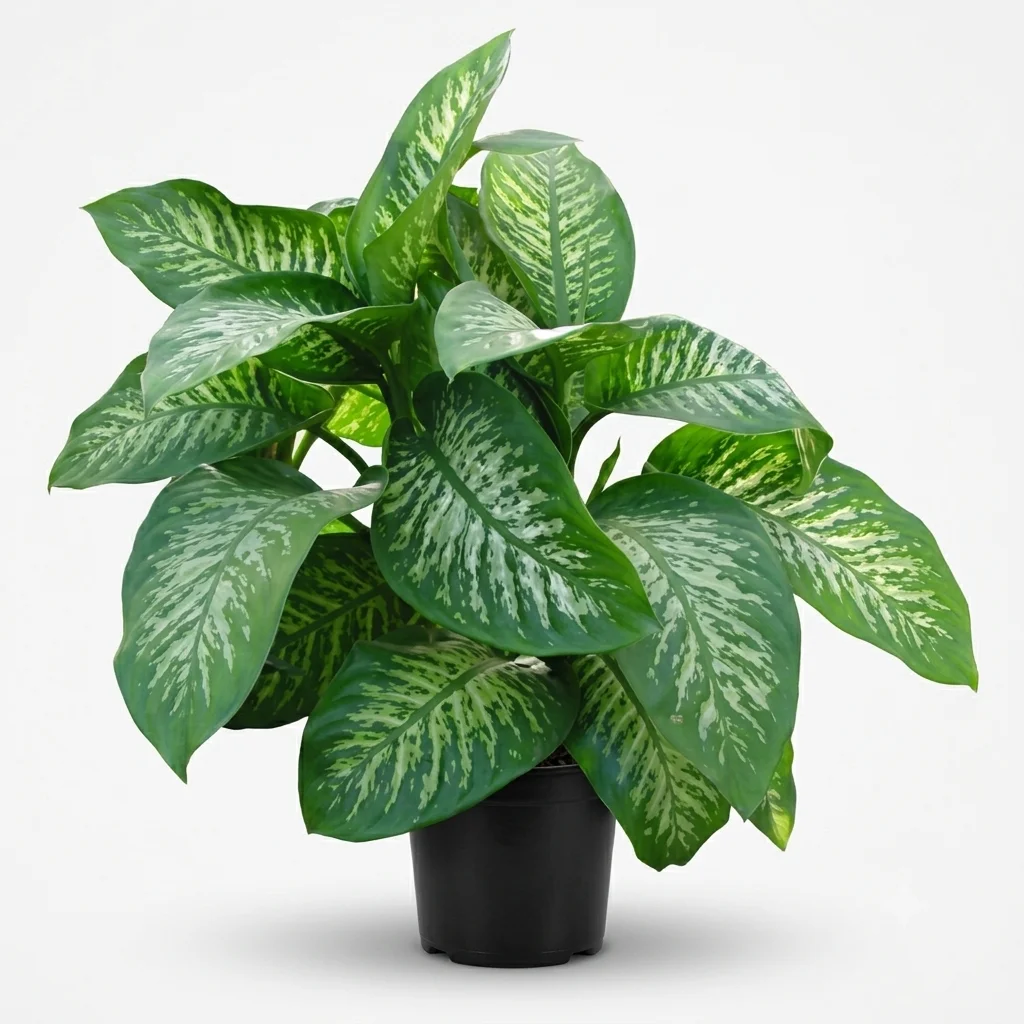
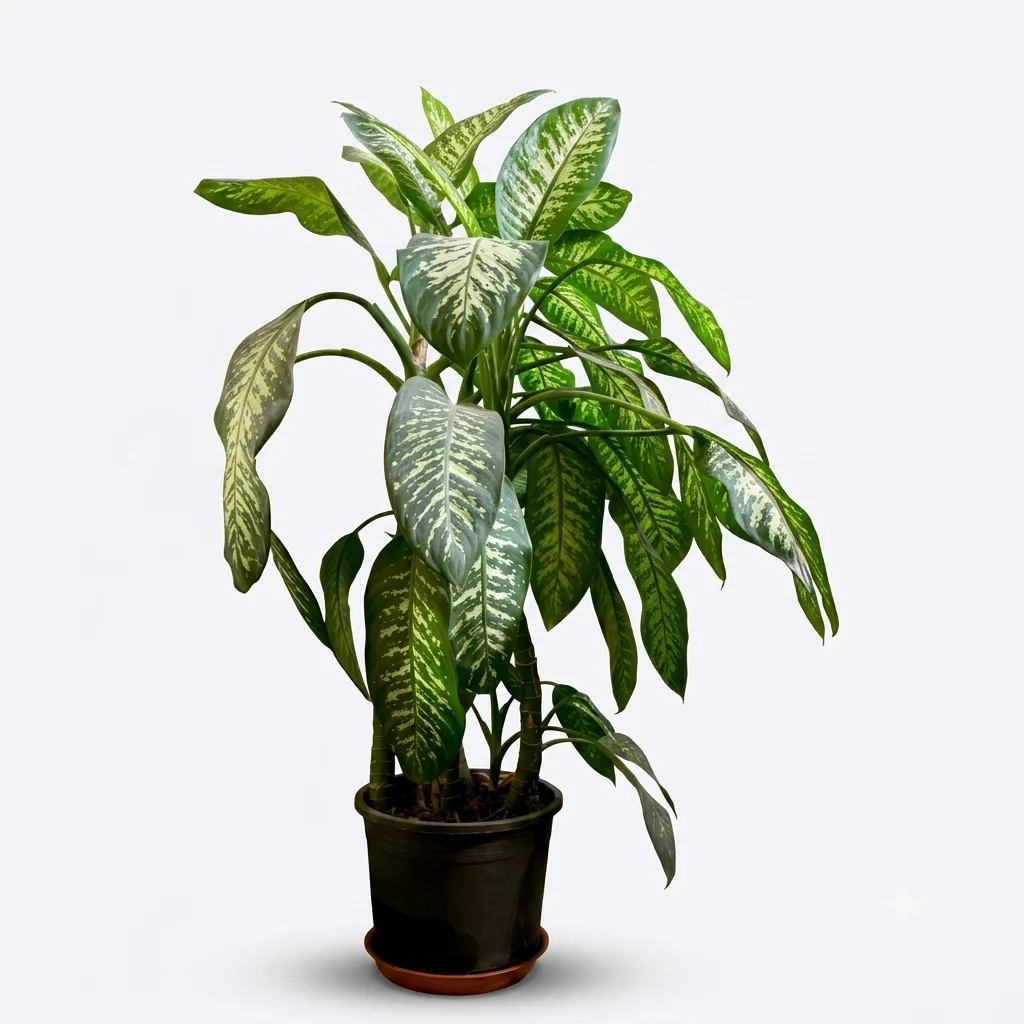
Dumb cane
Choose Your Plastic Nursery Pot Size
Prices vary by sizeBuying Several Plants?
Get special pricing for larger quantities.
🌿 About This Plant
Plant Information
- Common Name Dumb cane
- Scientific Name Dieffenbachia
- Category indoorplant
- Mature Size Usually grows about 1–2 m tall indoors, depending on the variety and growing conditions
- Growth Rate Moderate
🌱 How to Care for This Plant
Simple and practical care information from Chaka Plants.
Bright, indirect light to partial shade
About 1–2 times per week
Moderate
Prefers moderate to high humidity but can adapt to normal indoor conditions
Basic Care
The most important daily care requirements for healthy growth.
☀️ Light Requirement
Bright, indirect light to partial shade
💧 Watering Frequency
About 1–2 times per week
🚿 Practical Watering Instructions
Water when the top 2–4 cm of soil feels dry. Water thoroughly and allow excess water to drain
🏡 Best Placement
Place near a bright window with filtered light, in a living room, office or shaded balcony
Soil & Nutrition
The right soil and feeding routine can help your plant grow stronger.
🪴 Soil Type
Rich, loose and well-drained potting soil
🌿 Fertilizer
Use a balanced liquid fertilizer or slow-release fertilizer
🌍 Soil Requirements
The soil should hold some moisture but drain excess water easily
🍃 Feeding Instructions
Feed every 4–6 weeks during active growth
Growth & Behavior
Learn how this plant grows and what to expect as it matures.
⚡ Growth Rate
Moderate
📏 Mature Size
Usually grows about 1–2 m tall indoors, depending on the variety and growing conditions
🌿 Plant Behavior
Grows upright with large leaves and can become a strong, full-looking plant when given good light and care
Environment & Climate
The environmental conditions where this plant can grow best.
🌍 Agro Ecology
Best suited to warm, tropical and subtropical conditions
💦 Humidity
Prefers moderate to high humidity but can adapt to normal indoor conditions
Maintenance
Simple maintenance practices to keep your plant healthy and attractive.
✂️ Pruning
Remove yellow or damaged leaves. Trim overgrown stems to maintain a neat shape
🧹 General Maintenance
Wipe the large leaves regularly to remove dust and keep them looking healthy
🪴 Repotting
Repot when roots become crowded or start growing from the drainage holes. Use a pot slightly larger than the current one
Propagation
Ways this plant can be propagated or multiplied.
Can be propagated from stem cuttings. Allow cuttings to develop roots before planting them in well-drained soil
Best Suitable For
This plant is especially suitable for the following places and uses.
Problems & Treatment
Common problems and practical ways to protect the plant.
💊 Recommended Treatment
Yellow leaves may indicate overwatering. Brown leaf edges can result from dry soil, low humidity or strong sunlight. Check regularly for pests such as mealybugs and spider mites
⚠️ Safety: Dieffenbachia is poisonous if eaten and its sap can irritate the mouth and skin. Keep it away from children and pets and wash your hands after handling.
✅ What You Should Do
- Give bright filtered light
- Water when the soil starts to dry
- Use well-drained soil
- Clean the leaves regularly
- Maintain moderate humidity
- Remove damaged leaves
❌ What You Should Avoid
- Do not overwater
- Do not leave roots sitting in water
- Do not expose it to harsh direct sunlight
- Do not let children or pets chew the leaves
- Avoid touching the sap with bare hands
Our Recommendation
Keep Dumb Cane in bright, indirect light and avoid overwatering. Wipe its large leaves gently to remove dust and keep them healthy and attractive. 🌿
🌿 Related Plants

Need Help Choosing the Right Plant?
Our Chaka Plants team can help you choose plants that are suitable for your home, office, garden or landscaping project.