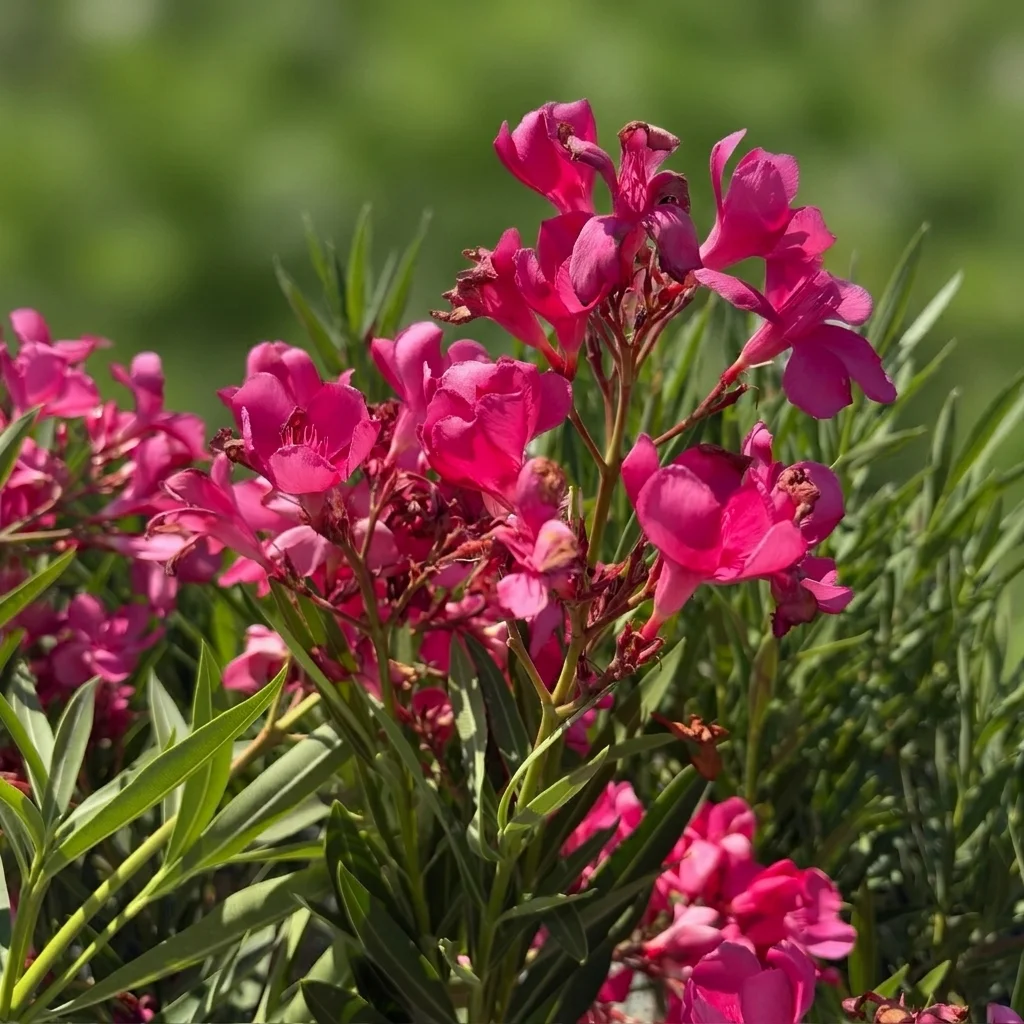
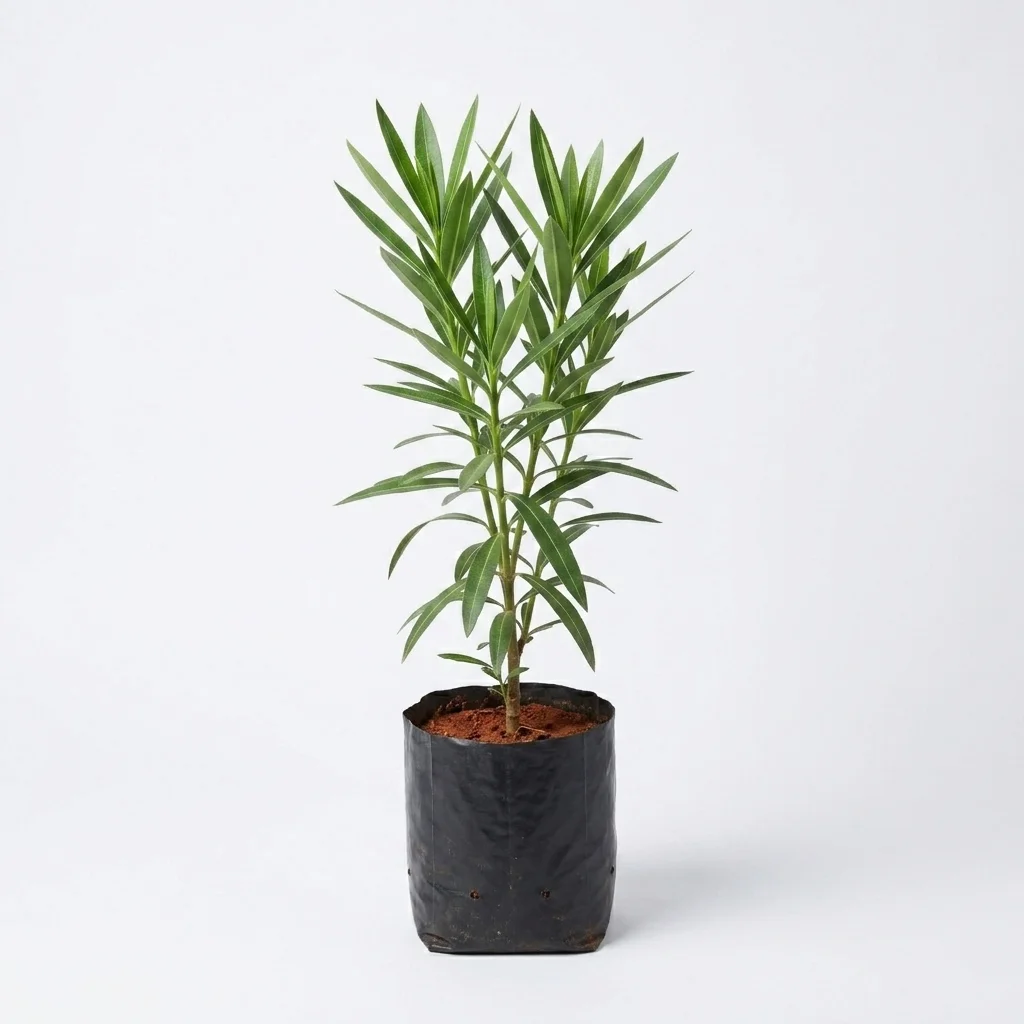
Oleander
Choose Your Plastic Nursery Pot Size
Prices vary by sizeBuying Several Plants?
Get special pricing for larger quantities.
🌿 About This Plant
Plant Information
- Common Name Oleander
- Scientific Name Nerium oleander
- Category shrub
- Mature Size 2–5 m tall
- Growth Rate Moderate
🌱 How to Care for This Plant
Simple and practical care information from Chaka Plants.
Full sun to partial shade
Water about 1–2 times per week
Moderate
Tolerates moderate humidity but performs best with good air circulation and well-drained soil
Basic Care
The most important daily care requirements for healthy growth.
☀️ Light Requirement
Full sun to partial shade
💧 Watering Frequency
Water about 1–2 times per week
🚿 Practical Watering Instructions
Water deeply when the top few centimeters of soil become dry. Allow excess water to drain completely. Established plants can tolerate short periods of dry conditions
🏡 Best Placement
Place in a sunny garden bed, landscape border, hedge, property boundary or large outdoor container
It is particularly useful for roadsides and areas where a tough, low-maintenance flowering shrub is needed
Soil & Nutrition
The right soil and feeding routine can help your plant grow stronger.
🪴 Soil Type
Well-drained, moderately fertile garden soil
🌿 Fertilizer
Use a balanced slow-release fertilizer or compost during active growth
🌍 Soil Requirements
Oleander tolerates a range of soil types but performs best in soil that drains well. Avoid permanently waterlogged areas
🍃 Feeding Instructions
Feed lightly every 6–8 weeks during active growth. Established plants generally require little fertilizer
Growth & Behavior
Learn how this plant grows and what to expect as it matures.
⚡ Growth Rate
Moderate
📏 Mature Size
2–5 m tall
🌿 Plant Behavior
Grows as an upright, branching evergreen shrub. It can become dense and bushy and responds well to pruning, making it useful for hedges and screening
Environment & Climate
The environmental conditions where this plant can grow best.
🌍 Agro Ecology
Best suited to warm, sunny and relatively dry environments. It tolerates heat, drought and urban conditions once established
💦 Humidity
Tolerates moderate humidity but performs best with good air circulation and well-drained soil
Maintenance
Simple maintenance practices to keep your plant healthy and attractive.
✂️ Pruning
Prune after flowering to maintain the desired shape and encourage branching. Remove dead, damaged or weak branches as needed
🧹 General Maintenance
Remove faded flowers and damaged foliage. Keep the area around the plant free from weeds and inspect regularly for pests.
⚠️ Important Safety: All parts of Oleander are highly poisonous if eaten, and the plant's sap can be harmful. Keep it away from children and pets. Wear gloves when pruning or handling the plant and wash your hands afterward.
🪴 Repotting
Repot container-grown Oleander when roots become crowded. Use a sturdy container with good drainage and move it into a slightly larger pot
Propagation
Ways this plant can be propagated or multiplied.
Can be propagated from stem cuttings
Best Suitable For
This plant is especially suitable for the following places and uses.
Problems & Treatment
Common problems and practical ways to protect the plant.
💊 Recommended Treatment
Yellow leaves may result from excessive watering or poor drainage. Reduced flowering can occur when the plant does not receive enough sunlight. Check for pests such as aphids, scale insects and oleander caterpillars, and remove affected growth when necessary
✅ What You Should Do
- Give plenty of sunlight
- Use well-drained soil
- Water regularly while establishing
- Reduce watering once established
- Prune after flowering
- Maintain good air circulation
- Wear gloves when pruning or handling the plant
❌ What You Should Avoid
- Do not overwater
- Do not plant in permanently waterlogged soil
- Do not keep it in deep shade
- Do not allow children or pets to chew any part of the plant
- Do not burn Oleander prunings
- Avoid handling the plant with bare hands when pruning
Our Recommendation
🌸 Tough but toxic! Oleander loves full sun and dry conditions, but keep it away from children and pets—every part is poisonous.
🌿 Related Plants
Need Help Choosing the Right Plant?
Our Chaka Plants team can help you choose plants that are suitable for your home, office, garden or landscaping project.