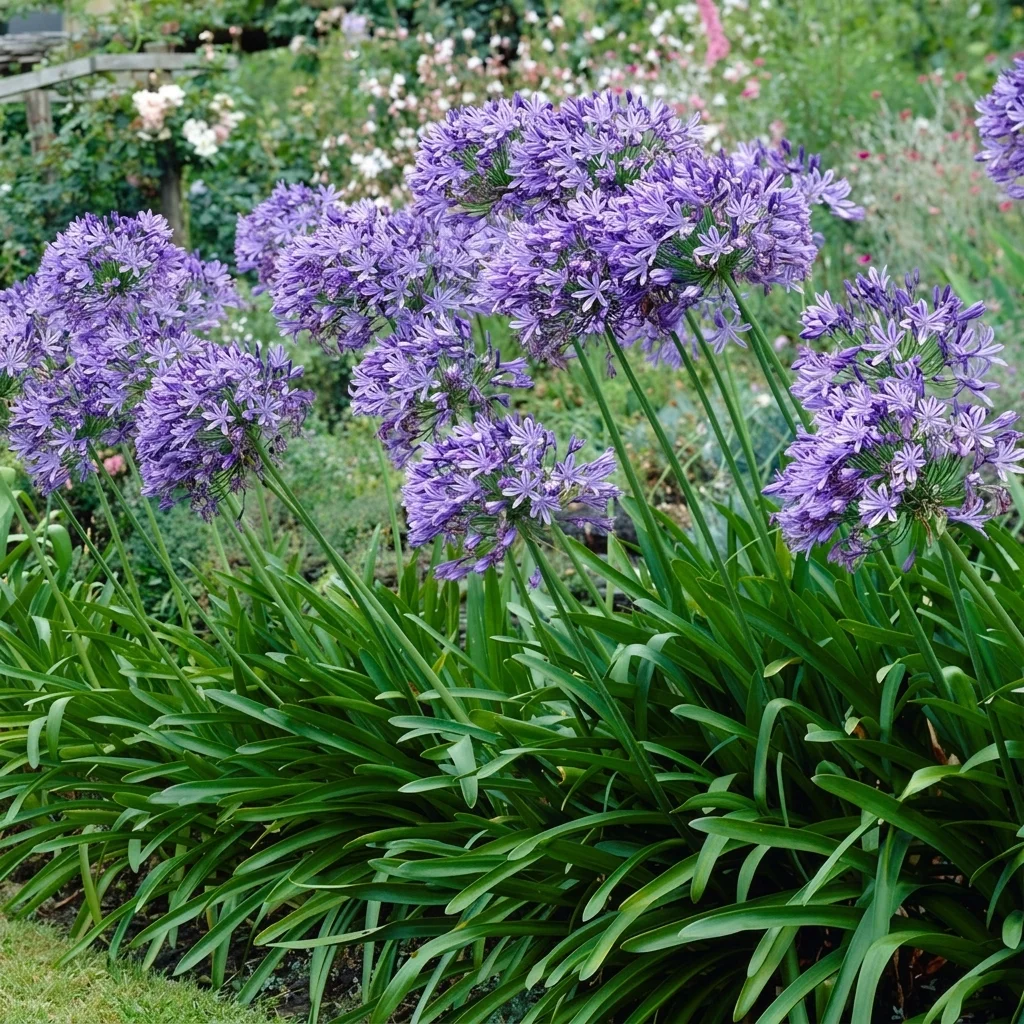
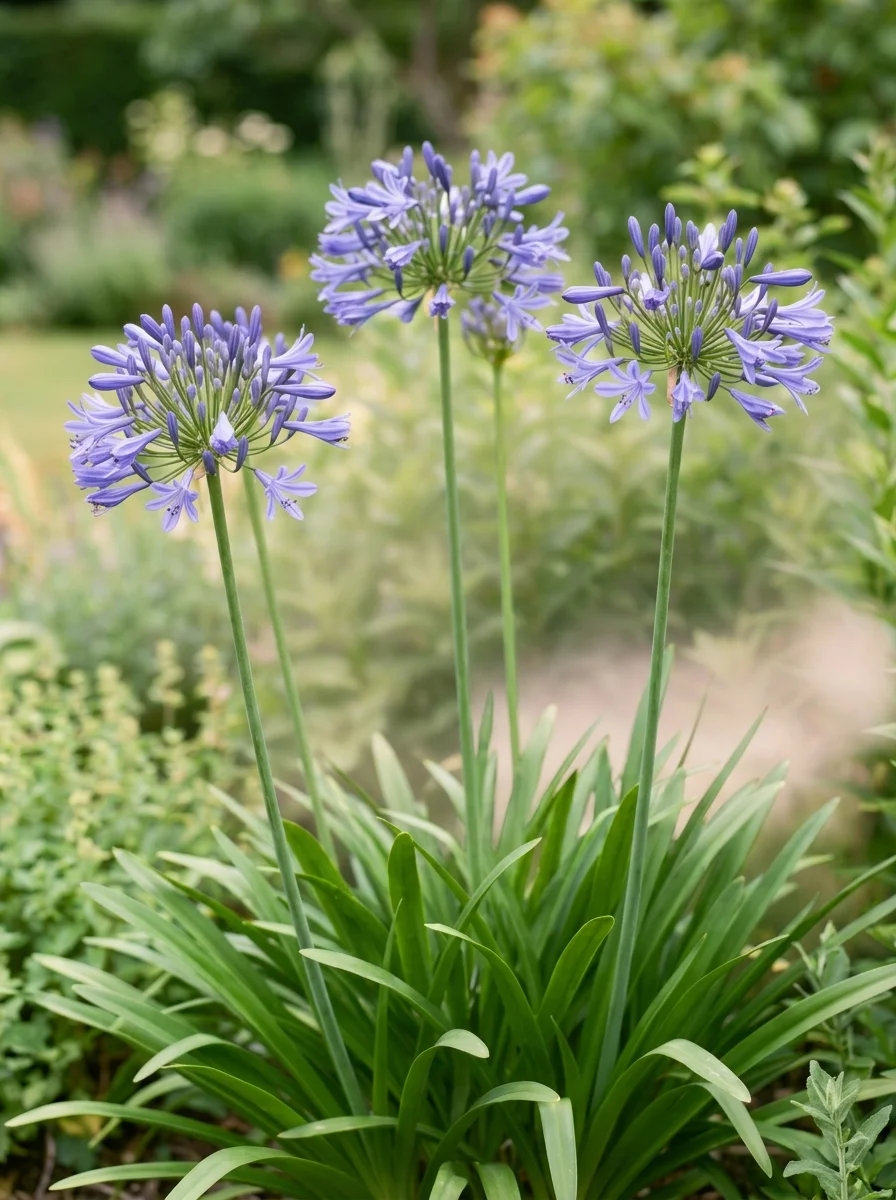
Lily of the Nile
Choose Your Plastic Nursery Pot Size
Prices vary by sizeBuying Several Plants?
Get special pricing for larger quantities.
🌿 About This Plant
Plant Information
- Common Name Lily of the Nile
- Scientific Name Agapanthus africanus
- Category perennial
- Mature Size 50–100 cm tall
- Growth Rate Moderate
🌱 How to Care for This Plant
Simple and practical care information from Chaka Plants.
Full sun to partial shade
About 1–2 times per week
Moderate
moderate humidity
Basic Care
The most important daily care requirements for healthy growth.
☀️ Light Requirement
Full sun to partial shade
💧 Watering Frequency
About 1–2 times per week
🚿 Practical Watering Instructions
Water when the top 2–4 cm of soil feels dry. Water deeply, then allow excess water to drain
🏡 Best Placement
Place in sunny garden beds, borders, entrances, pathways or outdoor pots
Soil & Nutrition
The right soil and feeding routine can help your plant grow stronger.
🪴 Soil Type
Fertile, loose and well-drained soil
🌿 Fertilizer
Balanced fertilizer or compost
🌍 Soil Requirements
The soil should drain well while retaining moderate moisture
🍃 Feeding Instructions
Feed every 4–6 weeks during active growth and flowering
Growth & Behavior
Learn how this plant grows and what to expect as it matures.
⚡ Growth Rate
Moderate
📏 Mature Size
50–100 cm tall
🌿 Plant Behavior
Forms attractive clumps of strap-like leaves and produces tall flower stalks above the foliage
Environment & Climate
The environmental conditions where this plant can grow best.
🌍 Agro Ecology
Best in warm, sunny and mild climates
💦 Humidity
moderate humidity
Maintenance
Simple maintenance practices to keep your plant healthy and attractive.
✂️ Pruning
Remove faded flower heads and yellow leaves
🧹 General Maintenance
Keep the planting area weed-free and remove old foliage when needed
🪴 Repotting
Repot when container roots become crowded. Divide large clumps when necessary.
Propagation
Ways this plant can be propagated or multiplied.
Propagate by dividing mature clumps or growing from seeds
Best Suitable For
This plant is especially suitable for the following places and uses.
Problems & Treatment
Common problems and practical ways to protect the plant.
💊 Recommended Treatment
Poor flowering may result from insufficient sunlight. Yellow leaves can indicate overwatering. Improve light and drainage as needed.
✅ What You Should Do
- Give good sunlight
- Water when soil starts to dry
- Use well-drained soil
- Remove faded flowers
- Feed during active growth
❌ What You Should Avoid
- Do not overwater
- Do not keep it in deep shade
- Do not allow water to stand around roots
- Do not overuse fertilizer
Our Recommendation
Give Agapanthus plenty of sun and room to clump—it rewards you with stronger, longer-lasting blooms. 🌿
🌿 Related Plants
Need Help Choosing the Right Plant?
Our Chaka Plants team can help you choose plants that are suitable for your home, office, garden or landscaping project.