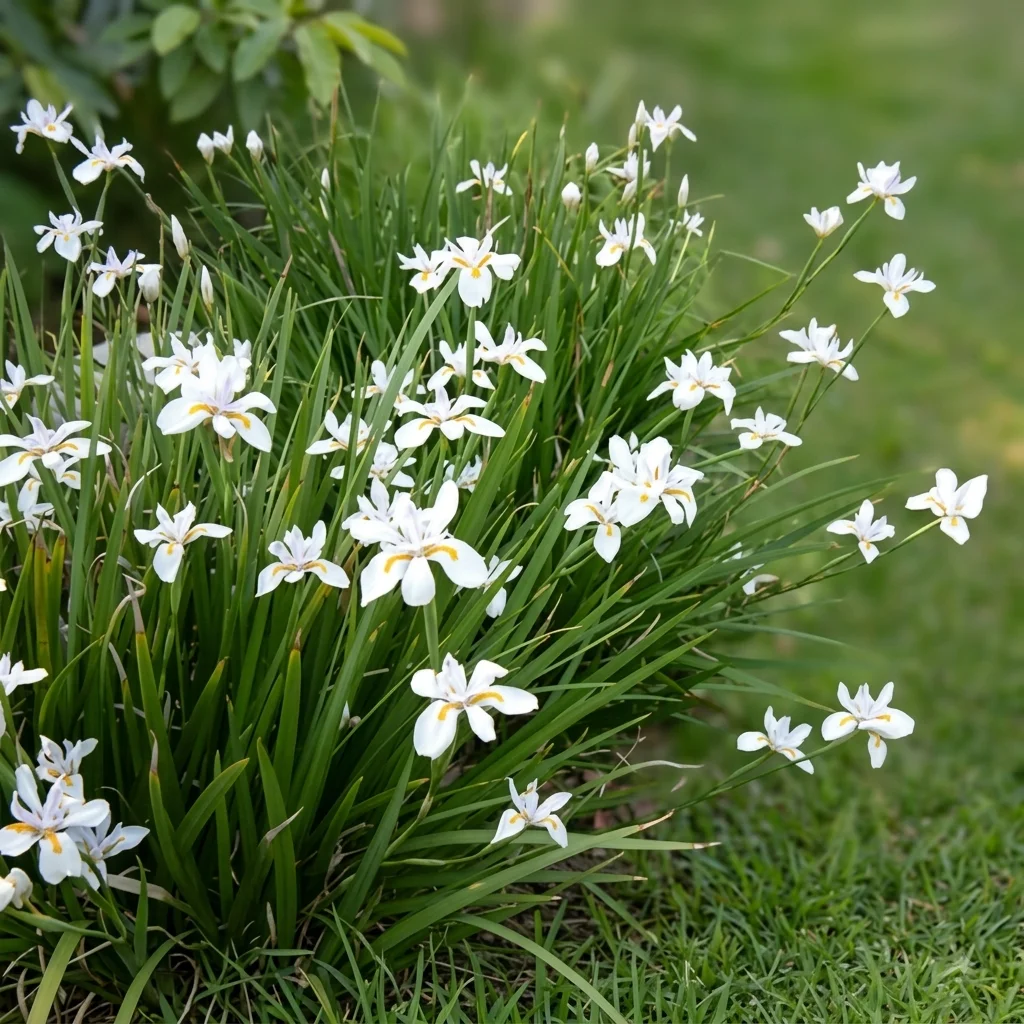
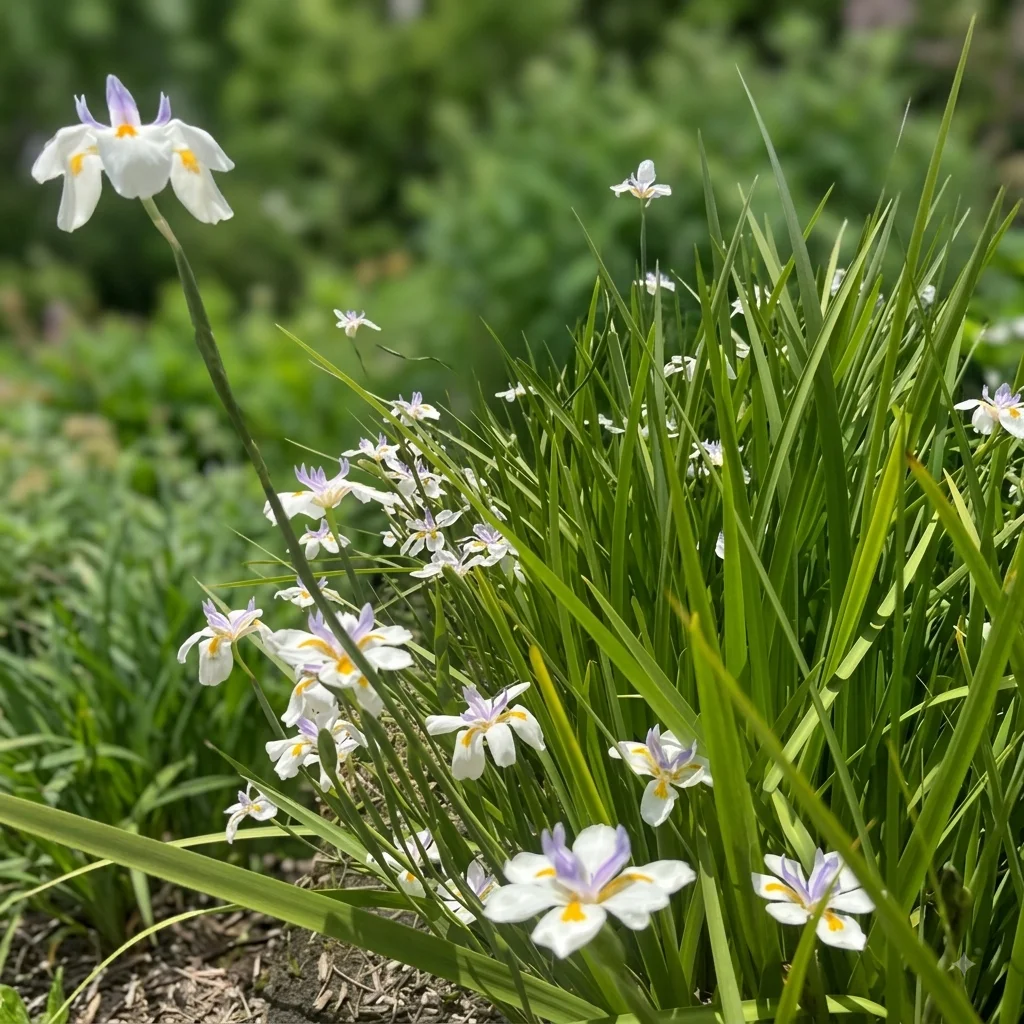
African iris
Choose Your Plastic Nursery Pot Size
Prices vary by sizeBuying Several Plants?
Get special pricing for larger quantities.
🌿 About This Plant
Plant Information
- Common Name African iris
- Scientific Name Dietes iridioides
- Category perennial
- Mature Size 60–90 cm tall and forms spreading clumps
- Growth Rate Moderate
🌱 How to Care for This Plant
Simple and practical care information from Chaka Plants.
Full sun to partial shade
Water 1-2 times per week
Moderate
Tolerates moderate humidity and normal outdoor conditions
Basic Care
The most important daily care requirements for healthy growth.
☀️ Light Requirement
Full sun to partial shade
💧 Watering Frequency
Water 1-2 times per week
🚿 Practical Watering Instructions
Water deeply around the base when the top few centimetres of soil become dry. Allow excess water to drain and reduce watering during rainy periods
🏡 Best Placement
Plant in sunny or lightly shaded garden beds, borders, pathways, slopes and outdoor containers. It works especially well as a mass planting
Soil & Nutrition
The right soil and feeding routine can help your plant grow stronger.
🪴 Soil Type
Fertile, loamy and well-drained soil
🌿 Fertilizer
Use compost or a balanced slow-release fertilizer
🌍 Soil Requirements
Adaptable to many soils, but good drainage is important. Adding compost can improve poor or sandy soil
🍃 Feeding Instructions
Feed 2–3 times during the active growing season to encourage healthy foliage and flowering
Growth & Behavior
Learn how this plant grows and what to expect as it matures.
⚡ Growth Rate
Moderate
📏 Mature Size
60–90 cm tall and forms spreading clumps
🌿 Plant Behavior
Forms dense clumps of long, upright leaves and produces delicate flowers above the foliage. It gradually spreads through underground rhizomes and can create attractive ground cover
Environment & Climate
The environmental conditions where this plant can grow best.
🌍 Agro Ecology
Well suited to warm tropical and subtropical climates and adapts well to many outdoor garden conditions
💦 Humidity
Tolerates moderate humidity and normal outdoor conditions
Maintenance
Simple maintenance practices to keep your plant healthy and attractive.
✂️ Pruning
Remove old flower stems and cut away yellow or damaged leaves when necessary
🧹 General Maintenance
Remove dead foliage regularly and divide crowded clumps to maintain healthy growth
🪴 Repotting
For container-grown plants, repot when the clump becomes crowded. Use a container with good drainage and fresh soil
Propagation
Ways this plant can be propagated or multiplied.
Easily propagated by dividing mature clumps and replanting healthy sections
Best Suitable For
This plant is especially suitable for the following places and uses.
Problems & Treatment
Common problems and practical ways to protect the plant.
💊 Recommended Treatment
Yellow leaves can be caused by excessive watering or poor drainage. Reduced flowering may occur when the plant receives too much shade. Check occasionally for aphids, scale and other common garden pests.
✅ What You Should Do
- Give good sunlight
- Use well-drained soil
- Water regularly while establishing
- Feed during active growth
- Remove old leaves and flowers
- Divide overcrowded clumps
❌ What You Should Avoid
- Do not overwater
- Do not plant in permanently wet soil
- Do not keep it in deep shade
- Do not overcrowd the plants
- Do not over-fertilize
Our Recommendation
Plant African Iris in groups along pathways or borders for a neat, full display with minimal maintenance. 🌿
🌿 Related Plants
Need Help Choosing the Right Plant?
Our Chaka Plants team can help you choose plants that are suitable for your home, office, garden or landscaping project.